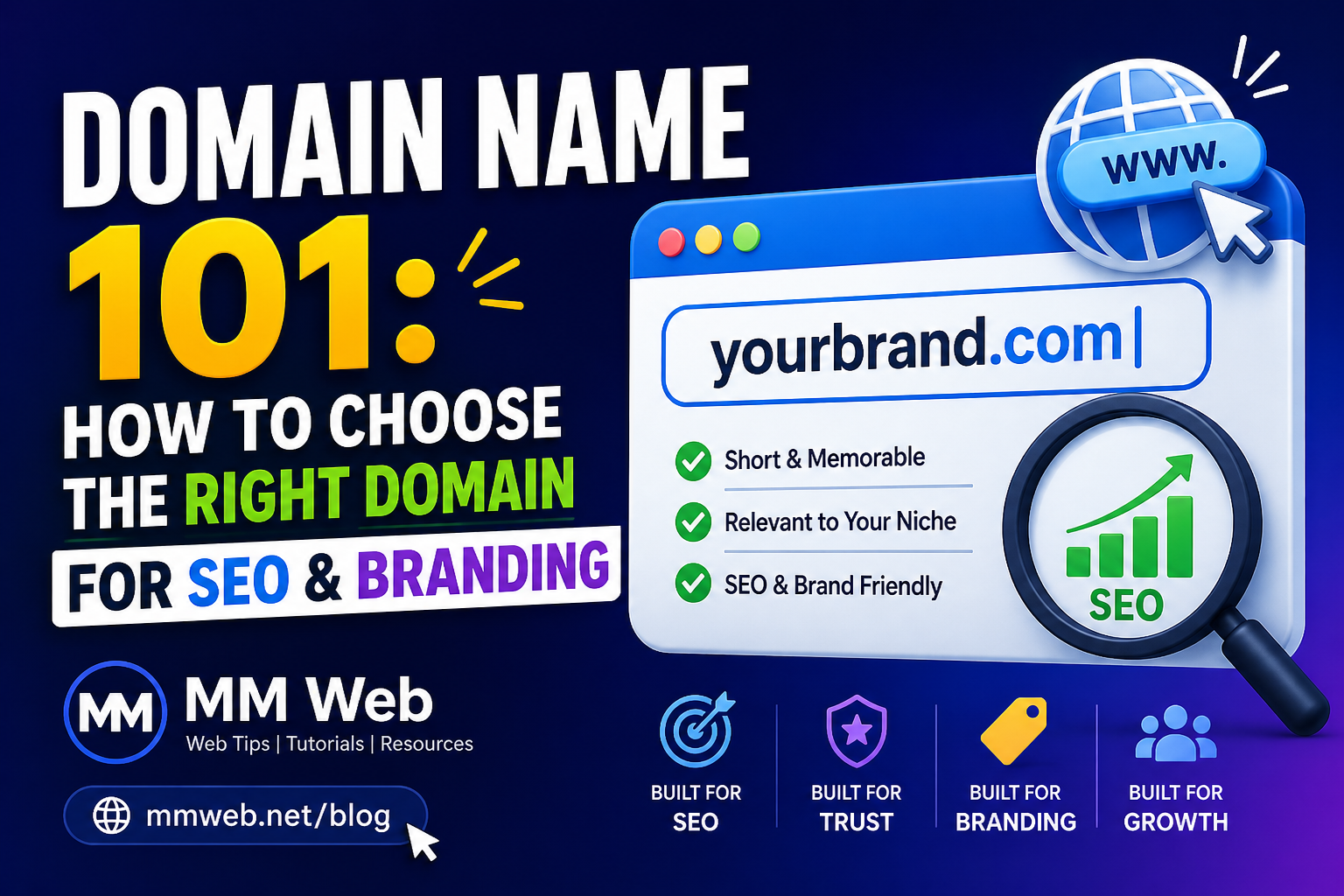
You have a brilliant business idea. You’ve mapped out your product roadmap and perfected your elevator pitch. But there is one decision you must make before you write a single line of code or publish a single blog post: Choosing your domain name.
It seems simple. It’s just your website’s address, right? Wrong.
In the digital ecosystem, your domain name is the foundation of both your User Experience (UX), your Brand Identity, and—critically—your Search Engine Optimization (SEO) strategy.
Pick the wrong one, and you’ll fight an uphill battle for rankings and recognition. Pick the right one, and you’ve built a home that Google loves to visit and users never forget.
Let’s cut through the noise. Here is your technical guide to choosing a domain name that balances the art of branding with the science of SEO.
Part 1: The SEO Reality Check (What Google Actually Sees)
Before we look at branding, let’s look at the code. For years, marketers believed that Exact Match Domains (EMDs) —like BestNewYorkLawyer.com—were a cheat code for SEO.
The 2024 Reality: Google’s algorithms are far too sophisticated for that now. While keywords in your domain still offer a relevancy signal, they are no longer a ranking heavyweight.
However, three technical SEO factors still matter immensely:
- Click-Through Rate (CTR): A clear, descriptive domain earns more clicks in the SERPs (Search Engine Results Pages). More clicks signal to Google that your result is valuable.
- Brand Signals: Google uses “Brand Authority” as a ranking factor. A professional, memorable domain builds brand searches (people typing
"Nike shoes"vs."best running store online"). Brand searches are high-value SEO signals. - Backlink Anchor Text: When other sites link to you, they usually use your domain name as the link text. A keyword-rich domain gives you free keyword backlinks.
The Verdict: Don’t obsess over stuffing a keyword into your domain. But don’t ignore relevance entirely.
Part 2: The 5 Technical Rules of Domain Selection
Before you fall in love with a name, run it through these technical filters.
1. The TLD Decision (.com vs .io vs .ai vs .co)
The Rule: Aim for .com if you want global scale and trust.
- Why: For 30 years, the internet has conditioned users to trust
.com. It has the highest “type-in” recall. - The Exceptions: For SaaS startups,
.iois accepted (though technically the British Indian Ocean Territory). For AI tools,.aiis trendy. For non-profits,.orgis mandatory. - Warning: Avoid
.biz,.info, or obscure free TLDs (like.tk). These are historically associated with spam and can hurt your email deliverability and SEO trust.
2. Hyphens and Numbers are Poison
- The Problem: “best-cakes-2-buy.com” is a nightmare for voice search (Alexa, how do I get to hyphen…?) and hard to verbalize in a podcast ad.
- The Fix: Stick to alphanumeric characters only. No hyphens, no underscores, no digits (unless you are Domino’s Pizza using
pizzabot.io).
3. Length and Memorability
- The Rule: Under 15 characters is ideal.
- Why: Short domains are easier to type, less prone to typos (lost traffic), and fit better on business cards.
4. Avoid Trademark Infringement
This isn’t just SEO; it’s legal. Use the USPTO trademark database to ensure your pick isn’t infringing on a Fortune 500 company. A single Cease & Desist letter can erase all your hard-won SEO authority overnight.
5. Pronounceability
If you have to spell it three times for a barista to understand your email address, it’s a bad domain.
Part 3: Branding vs. Keywords (The Hybrid Strategy)
This is where most founders get stuck. Do I go for CleanTeethDental.com (High SEO, Low Branding) or Smiley.co (High Branding, Low SEO)?
The Winner is the “Brandable Keyword” Hybrid.
You want a name that is:
- Suggestive of the niche (SEO boost).
- Unique enough to trademark (Branding boost).
Examples of the perfect hybrid:
- Shopify: “Shop” (Keyword) + “ify” (Brandable suffix).
- Salesforce: “Sales” (Keyword) + “force” (Power word).
- Cloudflare: “Cloud” (Keyword) + “flare” (Visual action).
How to build yours:
Take your primary keyword (e.g., “Finance”) and combine it with a modern modifier (Hive, Flow, Hub, Fox, Beam).
- Bad: BestFinanceTips.com (Generic, forgettable).
- Good: FinanceFlow.com (Keyword + Brand).
Part 4: The Senior Tech Writer’s “Pre-Launch” Checklist
Before you hit “Register,” complete these five verification steps:
- The Radio Test: Say “Visit me at [YourDomain.com]” out loud to a friend. Can they spell it correctly without seeing it written down? If not, discard it.
- The Social Media Check: Is the exact handle (Twitter/X, Instagram, LinkedIn) available for this name? Consistency across platforms is a trust signal.
- The “No Plural Confusion” Test: Is there a competitor with the plural version of your name? (e.g.,
CarHub.comvsCarHubs.com). You will lose traffic to them constantly. - The History Check (Crucial for SEO): Use a backlink tool (Ahrefs, SEMrush, or even Archive.org). Is this domain expired? Does it have a history of spam or porn backlinks? Never buy a cheap auction domain without a thorough backlink audit. You will inherit its SEO penalties.
- The Voice Search Test: Speak into your phone, “Hey Google, go to [Domain Name].” Did it understand you without hyphens or weird spelling? Yes? Good.
Part 5: You Registered It. Now What (Technical Setup)?
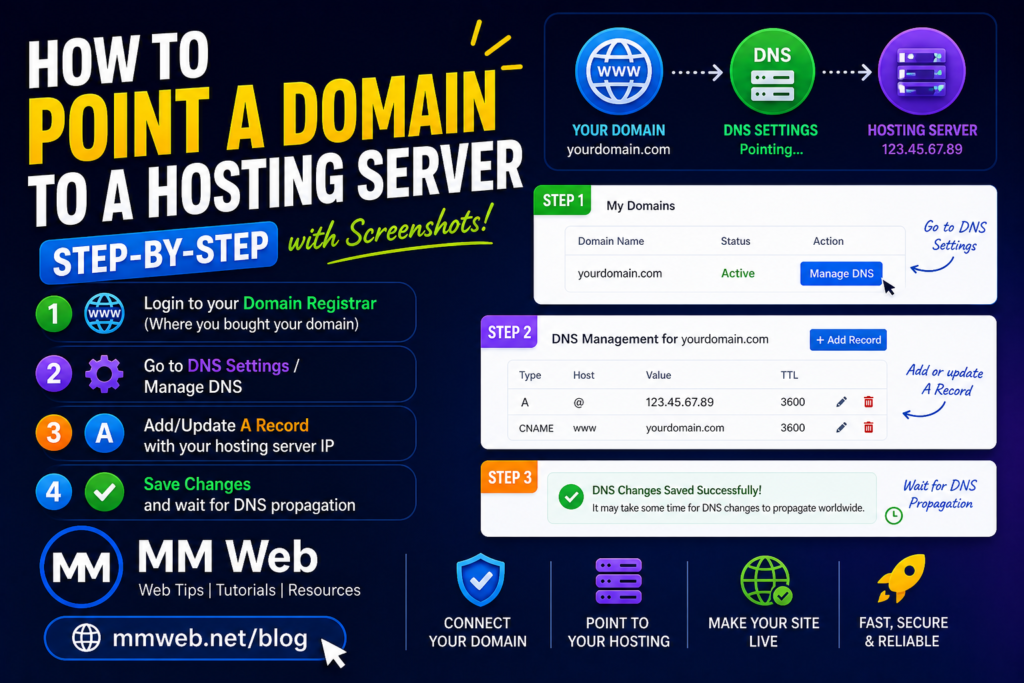
Buying the name is step one. To maximize SEO, you must configure it immediately:
- Set your Primary Domain: In Google Search Console, choose the version with
wwwor without (nakeddomain). Redirect one to the other (301 redirect) to avoid duplicate content penalties. - Enable HTTPS (SSL): Google gives a ranking boost to secure sites. Most registrars offer free SSL via Let’s Encrypt. Use it.
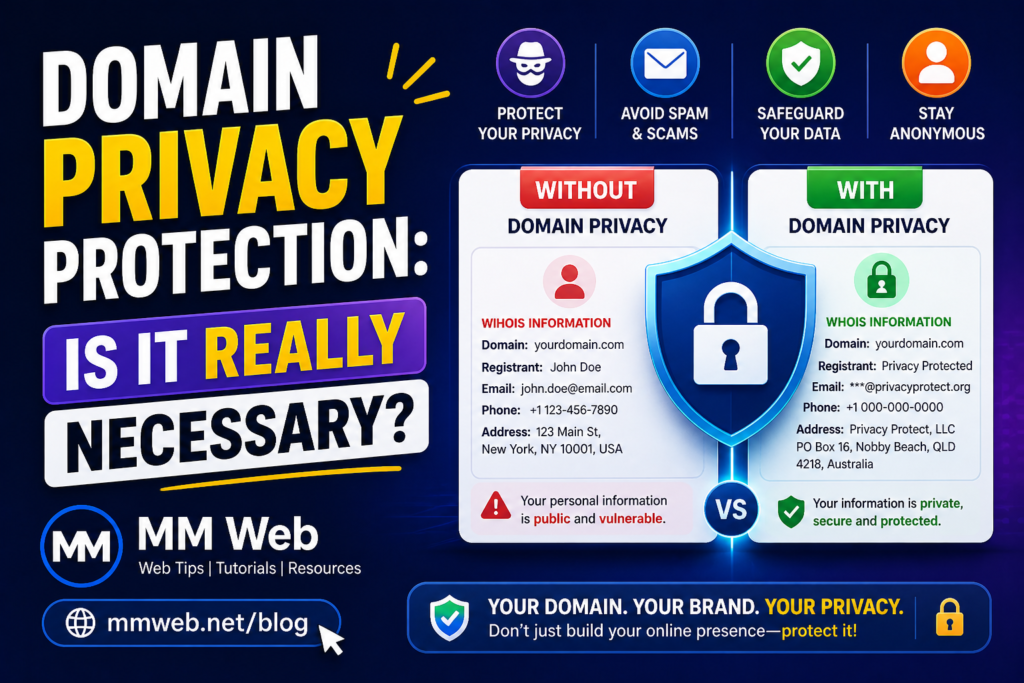
- Check WHOIS Privacy: Hide your home address from public record, but ensure your email is verified so you don’t miss renewal notices (losing a domain to expiration destroys SEO).
The Bottom Line
Your domain name is not a permanent life sentence. You can change it (though it is painful for SEO). But getting it right the first time saves you six months of redirect mapping and brand confusion.
Don’t chase short-term SEO rank. Chase long-term brand equity.
Choose a .com if possible. Keep it under 15 characters. Make it pronounceable. And sneak that keyword in there only if it feels natural.
Now go register that domain before someone else does.
Need help planning your site architecture or migrating an old domain? Drop a comment below or subscribe to the newsletter for advanced redirect strategies.